SYNOPSIS
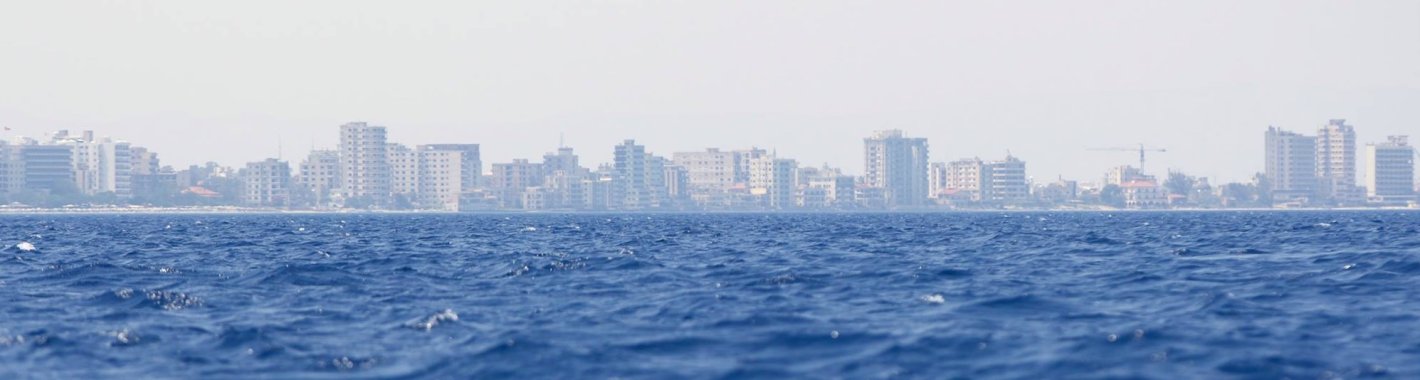
For half a century, the seaside district of Varosha in Famagusta, Cyprus, once a glamorous resort and now known as the island’s “ghost city” has remained suspended in time. Abandoned after the Turkish invasion of 1974, its hotels and homes crumble behind barbed wire while nature quietly reclaims the streets.
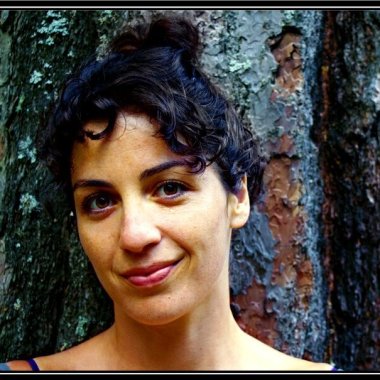
For filmmaker Vasia Markides, whose family fled during the war, Varosha is both a personal wound and a site of possibility. Waking Famagusta follows her journey back to this forbidden landscape, weaving together intimate memory, archival fragments, and the poetry of soldiers who patrol its streets.
As the story unfolds, the film becomes a meditation on fragility – of cities, of community, but above all, of peace. It also explores the resilience of people and ecosystems that persist despite division. More than a historical account, Waking Famagusta invites audiences to reflect on what it means to call a place home and how reconciliation might be imagined in a world still scarred by borders and conflict.
WHY THIS STORY, WHY NOW?
Today, Waking Famagusta takes on renewed urgency. Cyprus will assume the rotating presidency of the European Union in January of 2026, a moment that places the island, and its divided capital, at the center of international attention. At the same time, the recent election of a pro-solution Turkish-Cypriot leader has reopened a long-dormant path toward peace. With talks set to resume, Waking Famagusta stands not only as a reflection on the past but also as a living invitation to imagine what a reunified, ecologically restored Cyprus might become.
At its heart, Waking Famagusta is a deeply personal meditation on how a silenced city can still speak to us about fragility, resilience, and our responsibility to care for contested places and all the life forms tied to them. It asks how to hold on to hope when all seems lost.